From Deadout to New Beginnings: Lessons from Winter Loss, Swarm Catches, and Starting Again
Last fall, I closed up my hive with the kind of optimism you fake because the bees can probably smell fear.
Final inspection: not great.
I found what looked like an unmated queen, which is beekeeper code for “well…that’s concerning.” No strong laying pattern, no real confidence going into winter, and absolutely no magical Disney moment where the colony rallied and proved me wrong.
I wrapped the hive. Reduced the entrance. Checked stores. Did all the responsible adult things.
Still didn’t feel good about it.
Then came winter—real New England winter. The kind that makes you question your hobbies, your life choices, and whether humans were ever meant to live here at all.
Spring answered my question.
Deadout.
The cluster was too small to keep warm through that brutal cold, which pretty much confirmed what I already suspected: if your queen situation is questionable going into winter, winter will absolutely finish the conversation.
It sucked. I was annoyed. I was also not shocked.
That’s beekeeping, I guess.
Sometimes you get honey. Sometimes you get a very expensive lesson in humility.
So instead of romanticizing my suffering, I spent the winter doing what I do best—learning and overcompensating.
I kept working toward my Master Beekeeper certification and completed an ethnobotany program through Cornell University, which honestly just gave me academic permission to keep doing what I was already doing: obsessing over plants, pollinators, and the strange, beautiful relationship between medicine and the land.
That work naturally pulled me deeper into medicinal plant oils, balms, and tinctures—because apparently I collect hobbies the way some people collect emotional support water bottles.
I also started the 2026 Pollinator Steward Certification course, because honey bees are only part of the story.
And I think that shift matters.
I’m less interested in hive management as a potential revenue stream and more focused on building a stronger apiary, healthier colonies, native pollinator habitats, and producing quality raw honey worth putting my name on.
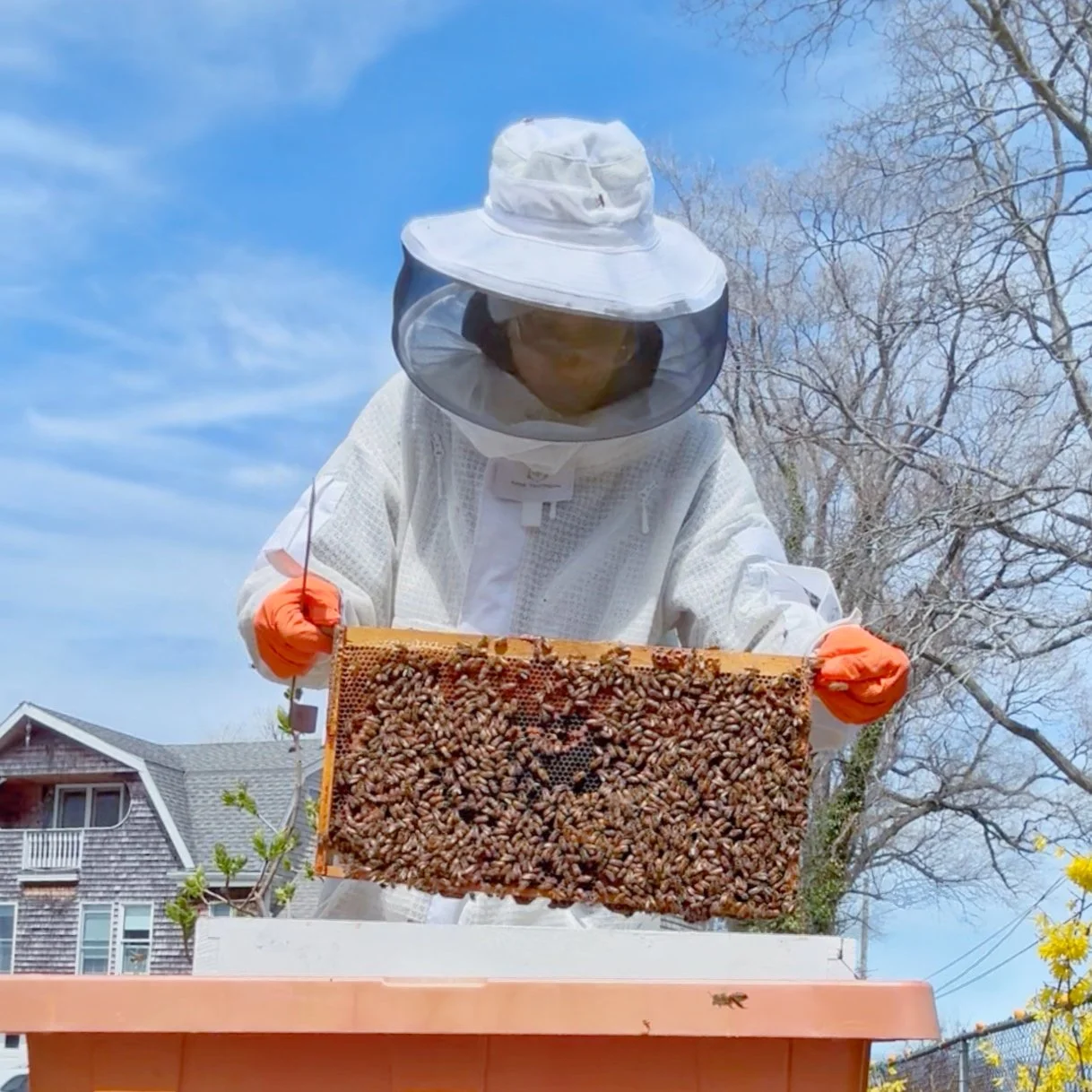
Less beekeeper cosplay. More stewardship.
More substance. Less “look at me holding a frame for Instagram” (but also, plenty of “look at me holding a frame for Instagram).”
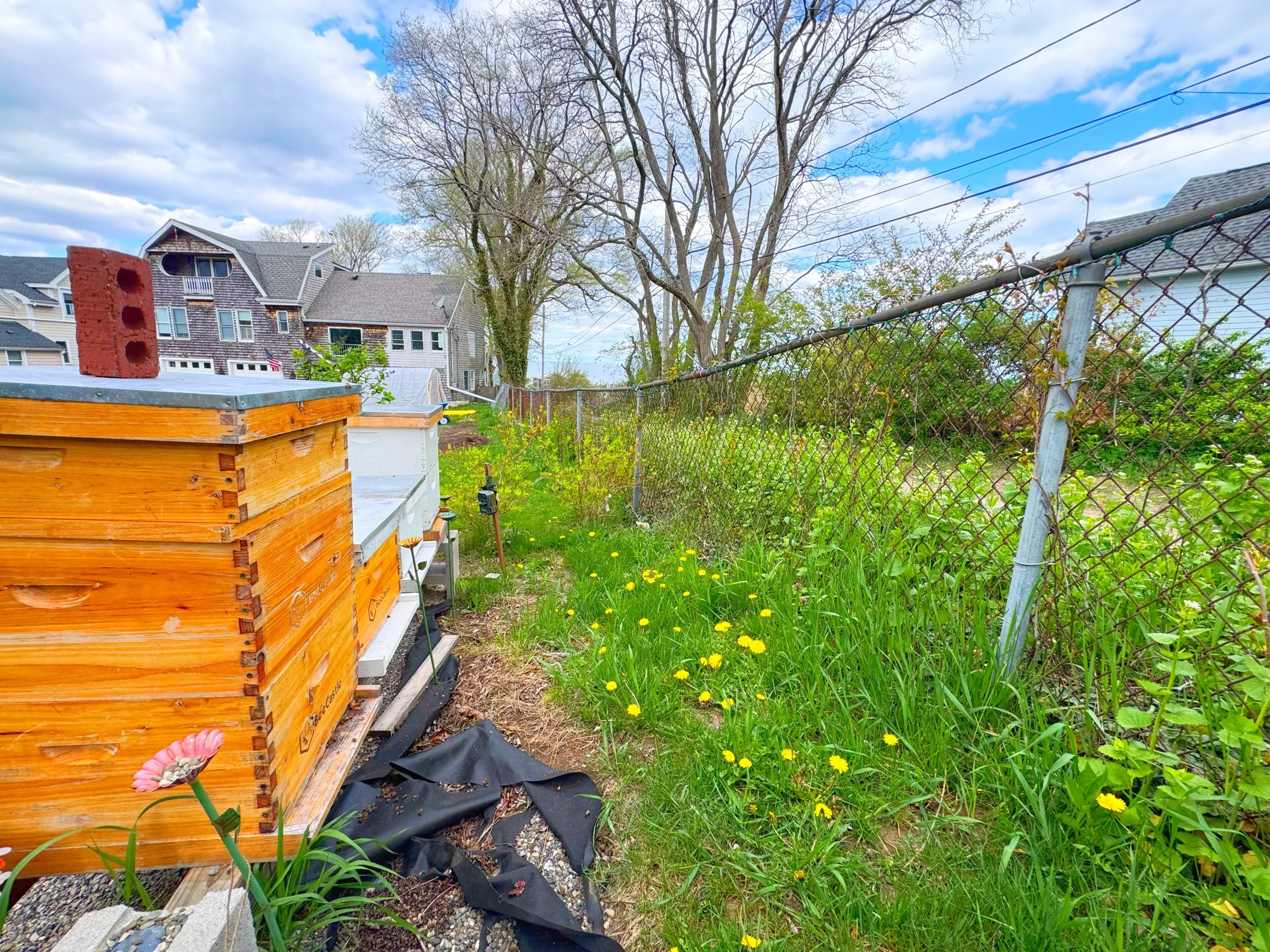
This spring, I installed three new colonies and started again.
Because that’s what you do when the silence at your hives is deafening, debilitating when the air and sunlight morphs into warmth and life again.
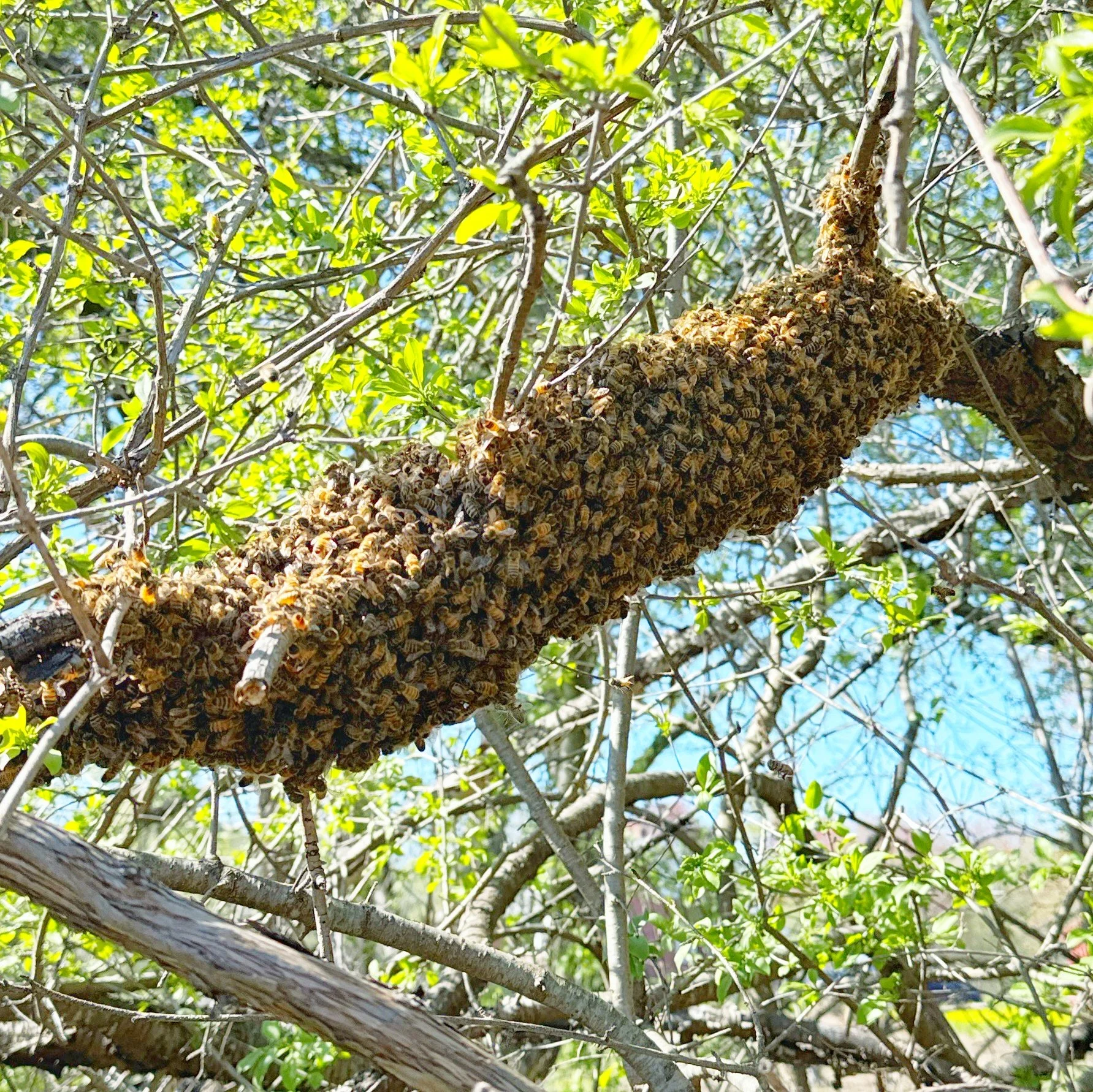
And then I caught my first swarm.
A farmer friend of mine is starting her own apiary, and I got to help with that first wild little cloud of bees deciding they were absolutely not paying rent anywhere.
There’s nothing quite like your first swarm catch. Equal parts adrenaline and the very real possibility of looking ridiculous in front of livestock. The juxtaposition of both confidence and imposter syndrome.
We got them.
And honestly, helping someone else start their beekeeping story felt so much sweeter than keeping that swarm ever would have.
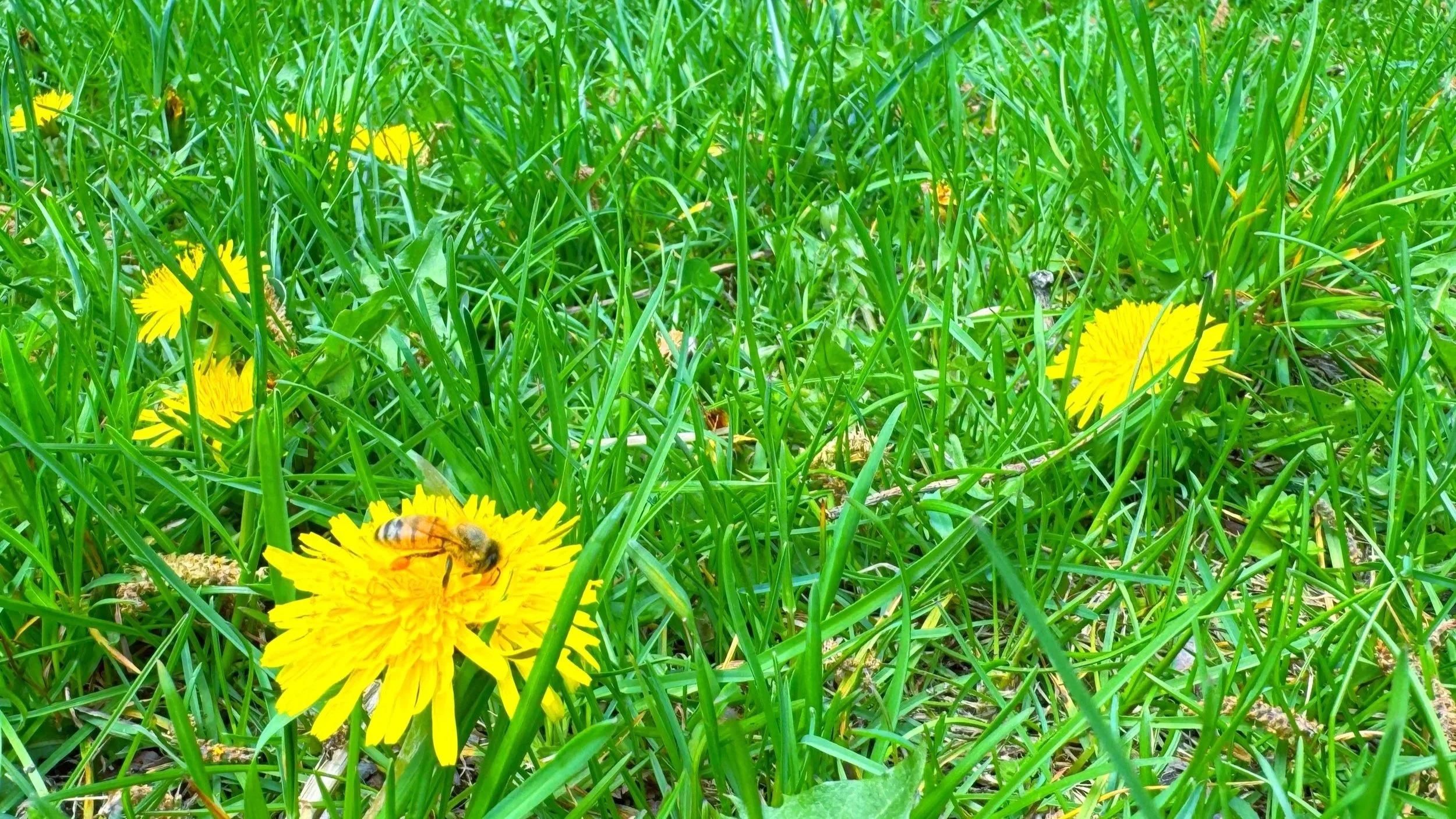
At home, the kids and I have also been spending more time identifying and reporting native pollinators in the yard—solitary bees, bumble bees, hoverflies, wasps, all the tiny unpaid interns keeping ecosystems functional while people only post about honey bees.
Turns out stewardship starts with slowing down, being quiet, and observing with all pertinent senses.
And maybe teaching your kids that not every bee is trying to ruin their juice box.
So that’s the update.
Dead hive. Hard winter. New colonies. First swarm catch. More learning. More plants. More purpose.
Still here.
Still building.
Still trying to produce honey good enough that nobody politely says, “Oh wow…that’s…different.”
That feels like progress.